Lascaux II
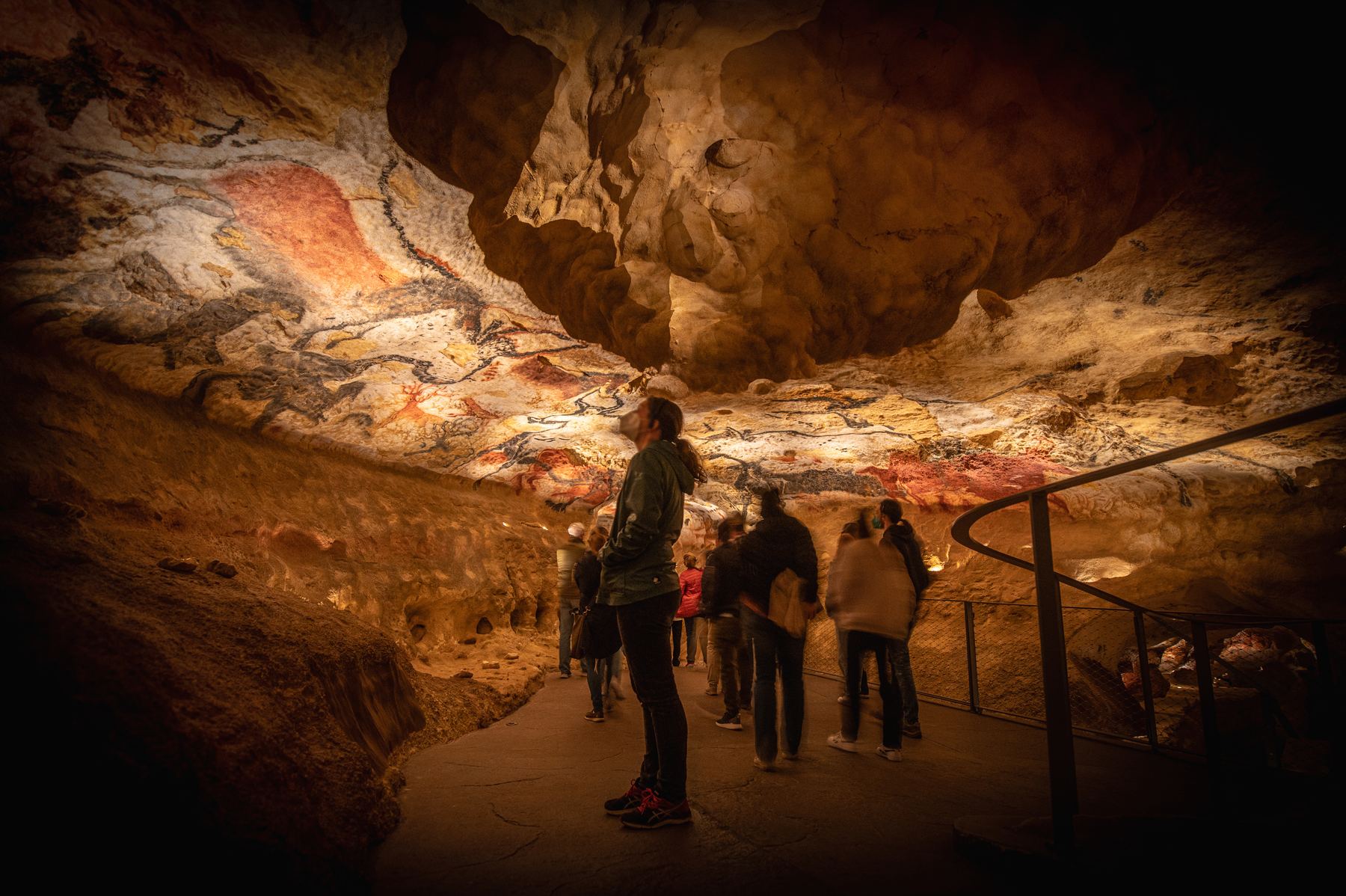
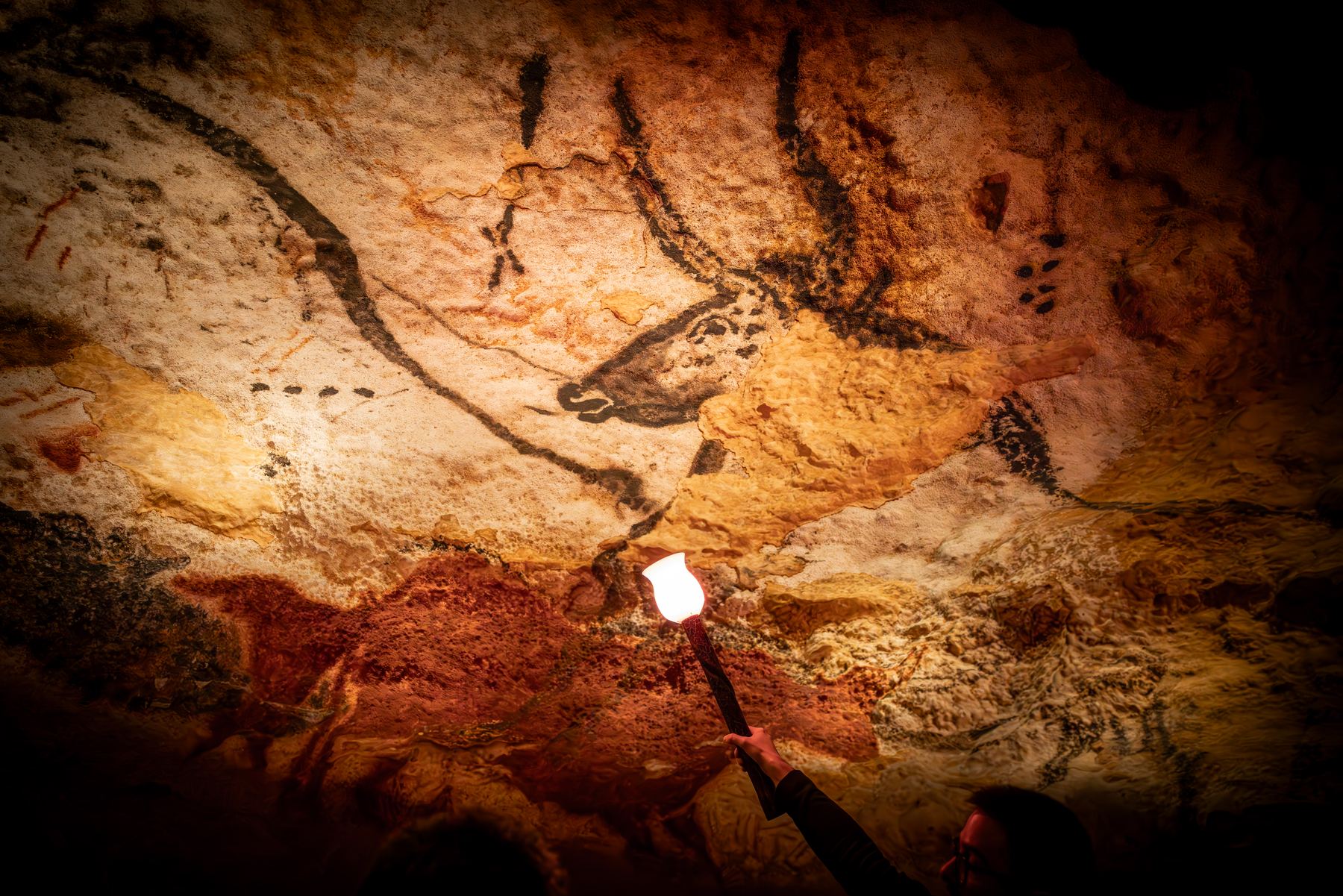
The first facsimile, reproducing around 80% of the cave’s paintings.

About Lascaux
Located in Montignac, in France’s Périgord region, Lascaux cave is a timeless universal masterpiece, a world-renowned prehistoric site inscribed on the UNESCO World Heritage List.
Entrance to the Lascaux cave. © Maurice Bunio, by permission of the French Ministry of Culture
The project
The Lascaux International Exhibition 3 was conceived and produced in the Dordogne in 2010 at the initiative of the Dordogne Departmental Council — which also runs the International Centre for Cave Art (Lascaux 4) — with the support of the French Ministry of Culture, the European Union and the Nouvelle-Aquitaine Region.
The project was based on a simple idea: to enable as many people as possible, the world over, to discover the masterpieces of the Lascaux Cave, a treasure of the cultural heritage of humanity. The Lascaux Cave has been listed as a UNESCO World Heritage Site since 1979, alongside a group of paleolithic sites in France’s Vézère Valley.
In 2012, the Lascaux 3 exhibition — the first and only traveling exhibition of prehistory dedicated exclusively to a decorated cave — left the Dordogne and embarked on a world tour that was to last more than ten years. Presented in some twenty major cities — Chicago, Houston, Montreal, Brussels, Tokyo, Shanghai, Seoul, Johannesburg, Munich, Naples, Geneva, Paris — the exhibition enabled more than three million visitors across four continents to marvel at the paintings from the Périgord cave.

From 2013 to 2024, the Lascaux exhibition traveled to 20 destinations worldwide. In 2025, the exhibition returned with a major innovation: the new facsimile of the Hall of the Bulls.
The Lascaux cave
One day in September 1940, while walking in the woods near the village of Montignac in southwestern France, four friends — Marcel Ravidat (18), Jacques Marsal (15), Georges Agniel (16) and Simon Coencas (13) — stumbled upon a hole that led to a cave. Their discovery that day changed their lives and had a global impact. The prehistorian Henri Breuil, one of the first to arrive on the scene, made the initial inventory and drawings of the images on the walls, which already seemed to constitute a masterpiece of cave art. The Lascaux cave was immediately classified as a “historic monument” by the French government, then listed in 1979 on the UNESCO World Heritage List, along with fifteen other sites in the Vézère Valley.

Officially opened to the public in 1948, the Lascaux cave attracted crowds that disrupted its natural equilibrium. The cave was particularly sensitive to the presence of humans and proved to be fragile. On 17 April 1963, André Malraux, French Minister for Cultural Affairs, decided to close the cave to the public.
The first facsimile, reproducing around 80% of the cave’s paintings.
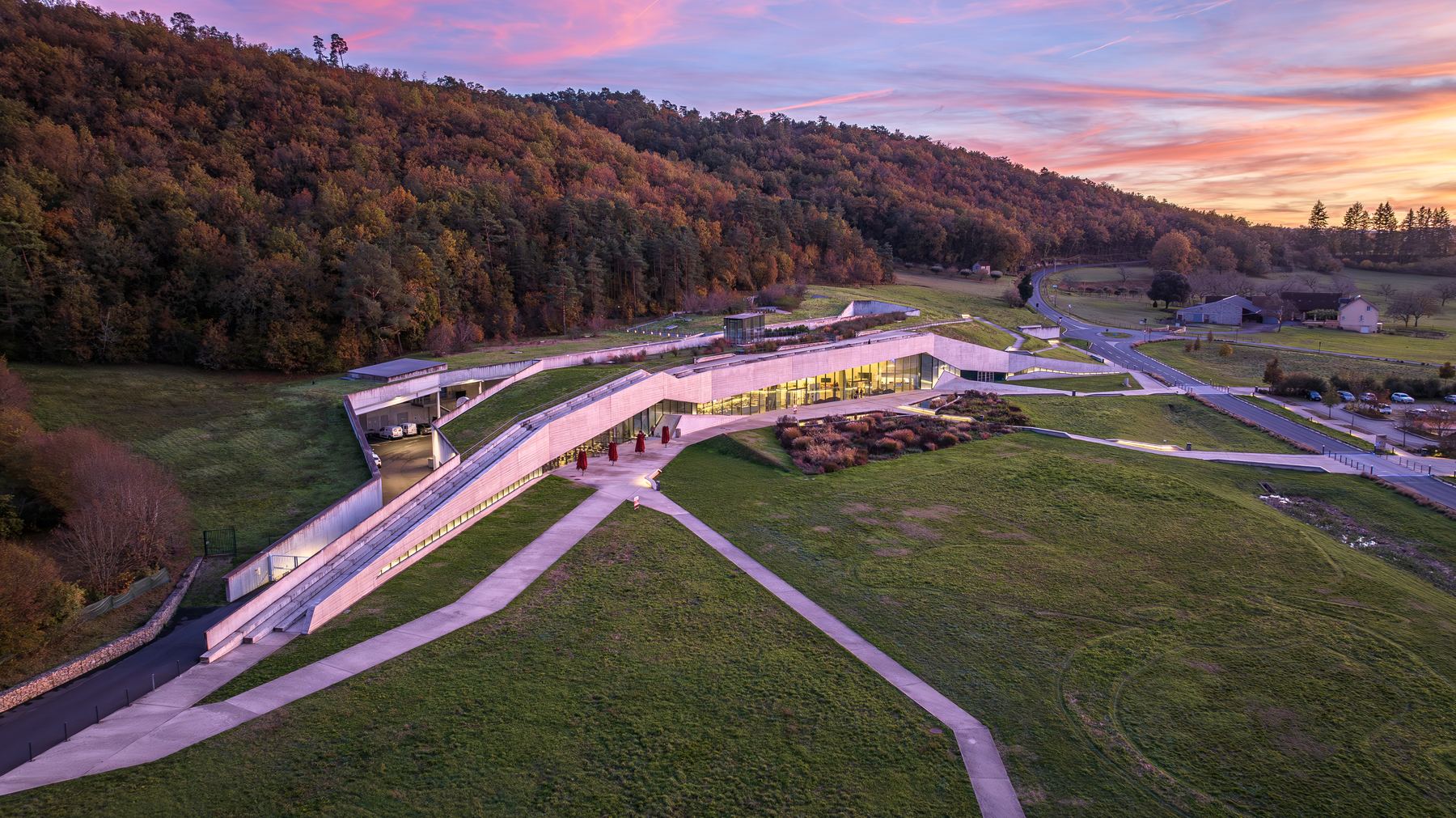
The International Centre for Cave Art, presenting a full-scale replica of the entire cave in Montignac.

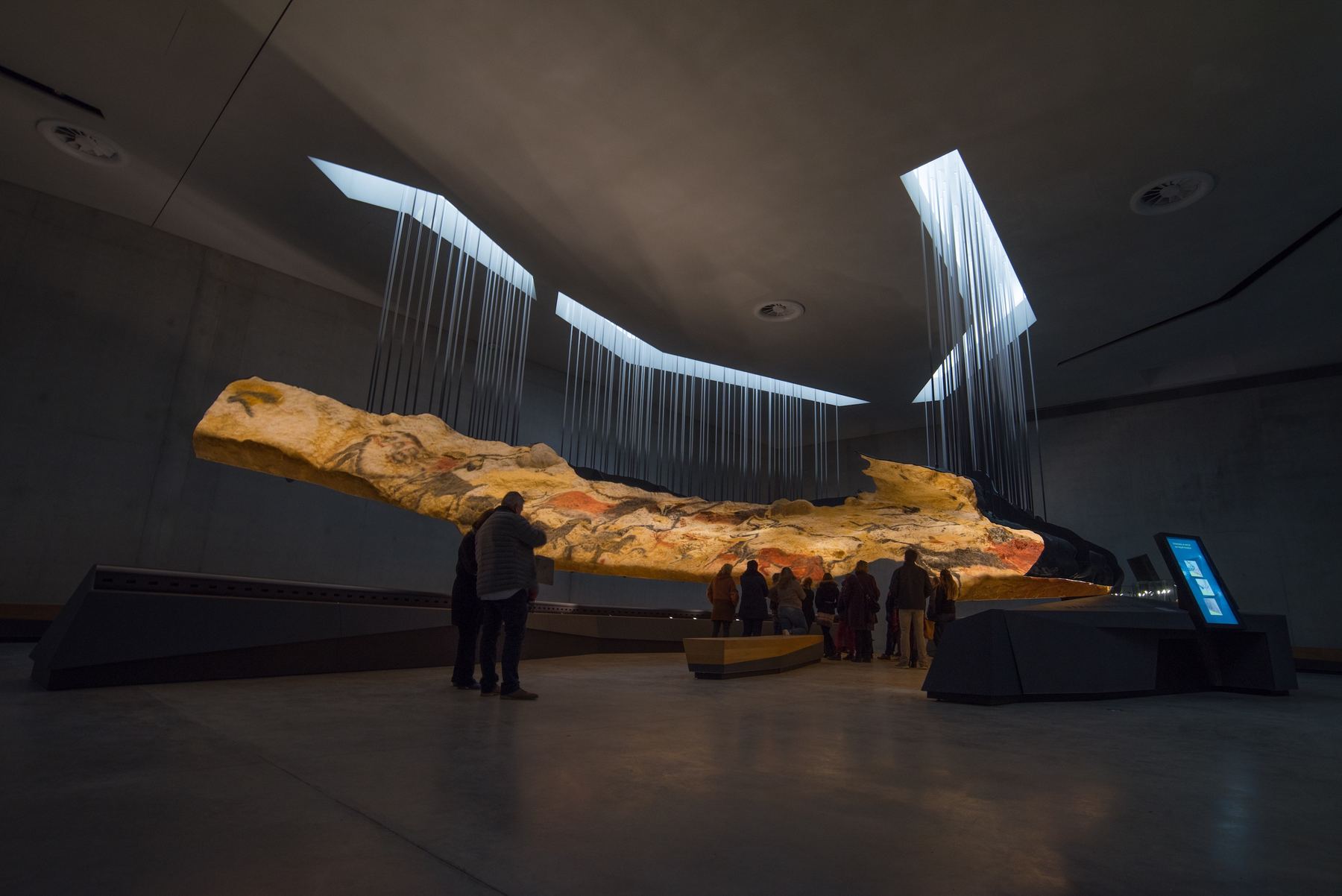
The only traveling replica project dedicated to a decorated cave, bringing movable facsimiles and scientific interpretation to audiences across the world.
Atelier des Fac-Similés du Périgord
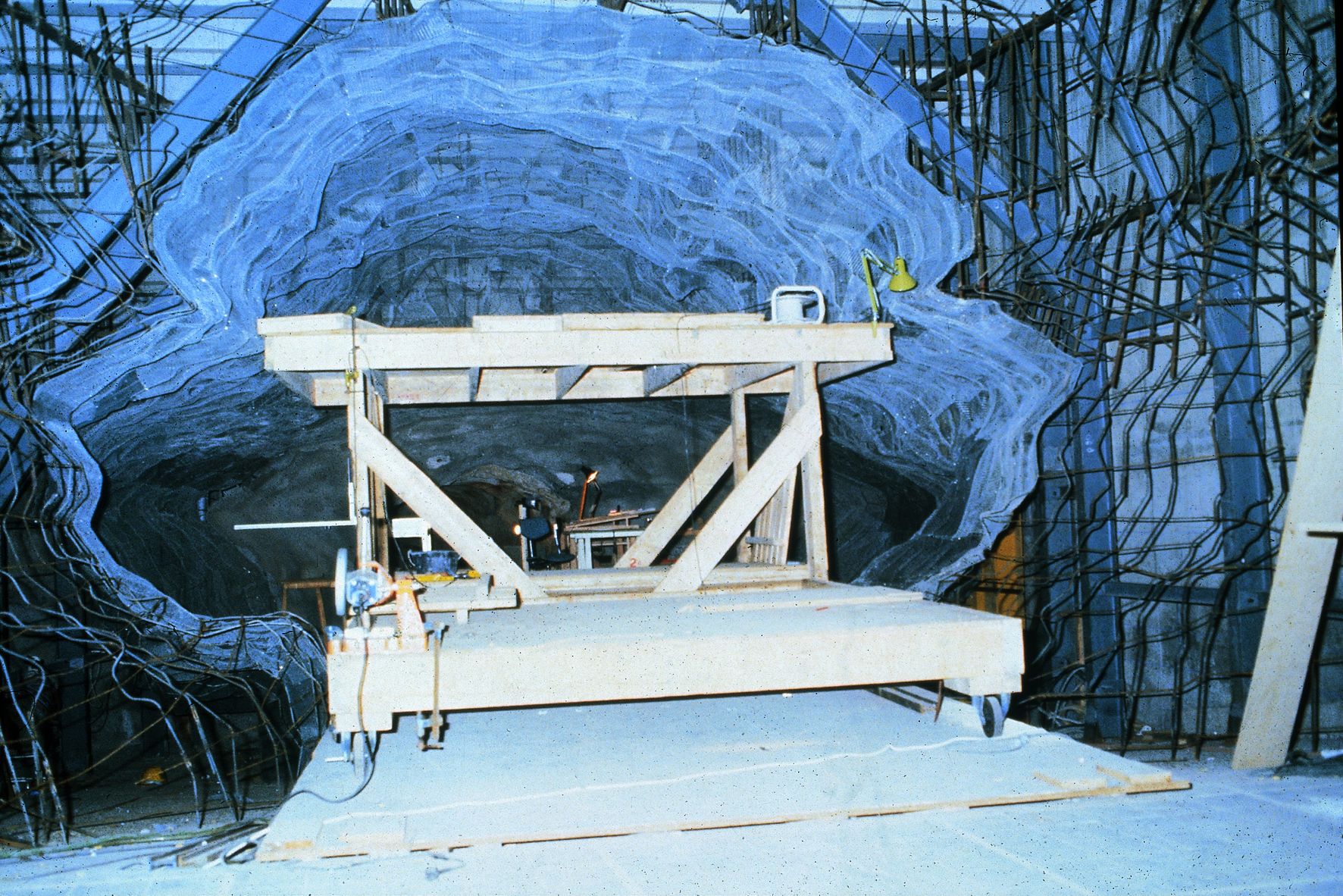
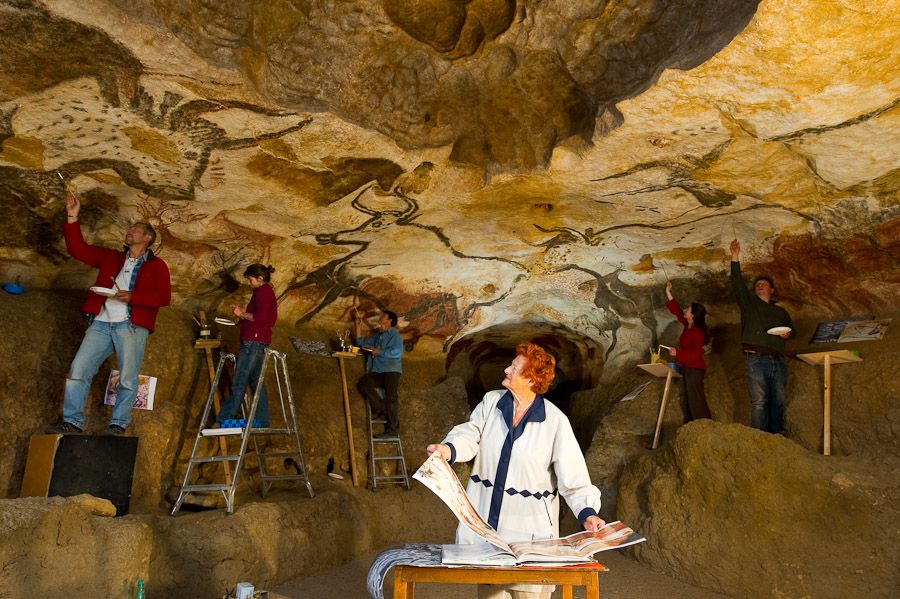
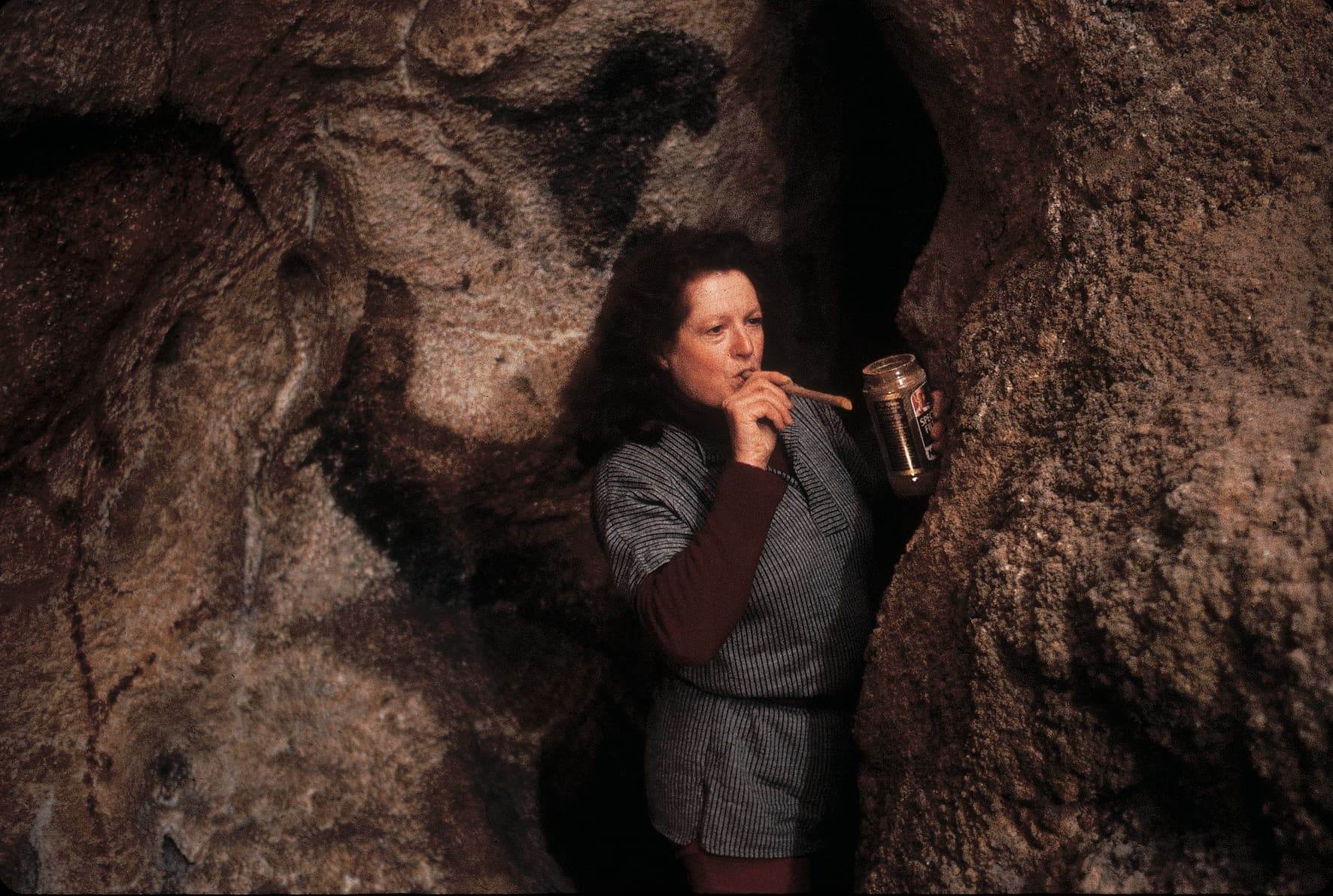
The Dordogne is a pioneering region in the field of cave facsimiles, with expertise dating back to the early 20th century. Since the first copies were produced, the Périgord Facsimile Workshop, located a short distance from the Lascaux cave, has embodied the magic of reproducing cave art. It was here that the replicas of Lascaux 2 in 1973, Lascaux 4 in 2016, and Lascaux 3 in 2011 and again in 2025 were created.
Continue